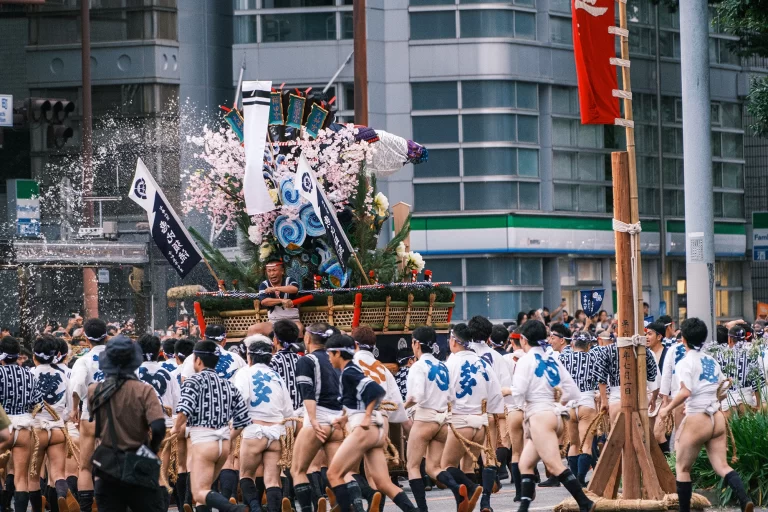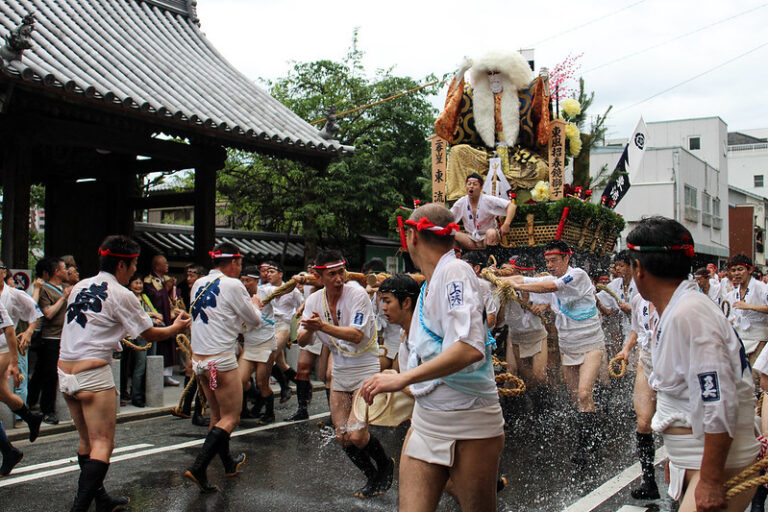

Celebrating Obon festival in Japan
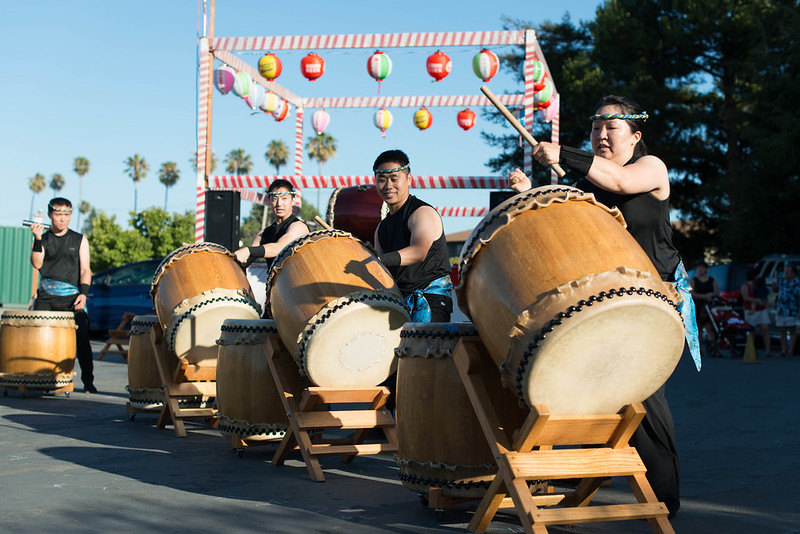
Every summer, a wave of reverence and warmth washes over Japan during Obon matsuri (お盆), a cherished festival honoring deceased ancestors. This deeply emotional and visually stunning celebration, observed around mid-August according to the lunar calendar (typically falling in July or August on the solar calendar) offers families a chance to reconnect with loved ones who have passed away.
A Fusion of Beliefs
Obon’s rich traditions weave together elements of Buddhism and ancient Japanese beliefs. Buddhist teachings emphasize offering prayers and merit to the deceased, while indigenous customs involve welcoming ancestral spirits back to the earthly realm.
Over time, Obon evolved into a poignant festival that celebrates the enduring bond between the living and the departed.
Welcoming Spirits with Light
The arrival of Obon is marked by the illumination of countless paper lanterns, known as chochin (提灯). These glowing beacons line streets and doorways, guiding the spirits of ancestors back to their homes. Families meticulously clean their houses and prepare special meals to welcome their returning kin.
A Time for Family and Reflection
Obon is a time for families to gather and remember their ancestors. Visits are made to family graves, where prayers are offered and stories are shared.
Traditional Obon dances (Bon Odori), featuring lively music and synchronized movements, are performed throughout the festival. These vibrant dances celebrate life, express gratitude for ancestors, and offer a sense of joyful connection.
Witnessing the Beauty of Obon Festival
While Obon is primarily a family-oriented occasion, visitors to Japan can still experience the beauty and cultural significance of the festival.
Observing the illuminating displays of chochin lanterns, witnessing lively Bon Odori dances, and learning about the traditions behind this heartfelt celebration offer a glimpse into Japanese customs and beliefs.
A Festival of Remembrance and Renewal
Obon transcends the traditional mourning rituals associated with death. It’s a time for families to cherish memories, celebrate the lives of their ancestors, and reaffirm the enduring bonds of love and respect. Witnessing this unique celebration allows visitors to experience the depth of Japanese culture and its profound connection to respecting the past and cherishing family ties.
Planning Your Obon festival Experience
While some aspects of Obon are private family gatherings, many towns and cities hold public Obon events. If you’re visiting Japan during this time, explore local festivals, witness the captivating illuminations, and experience the spirit of Obon through cultural performances and displays.
Remember, respect for local customs is paramount, so be mindful of noise levels and avoid disrupting family gatherings at cemeteries.
A Journey Through Tradition
Obon offers a window into the heart of Japanese culture, showcasing a unique blend of reverence for the past and celebration of life.
Witnessing this heartfelt festival allows visitors to appreciate the importance of family, the beauty of tradition, and the enduring connection between the living and the departed.
Visit my Complete Japanese Matsuri Calendar to learn more about japanese festivals throughout the year.
JAPAN TRAVEL COMPANION
Planning the rest of your Japan trip?
Add your travel dates and destinations to see what needs booking, when tickets open and what to plan next.