
Can You Visit an Onsen in Japan With Tattoos? Rules, Private Baths & Tattoo-Friendly Options
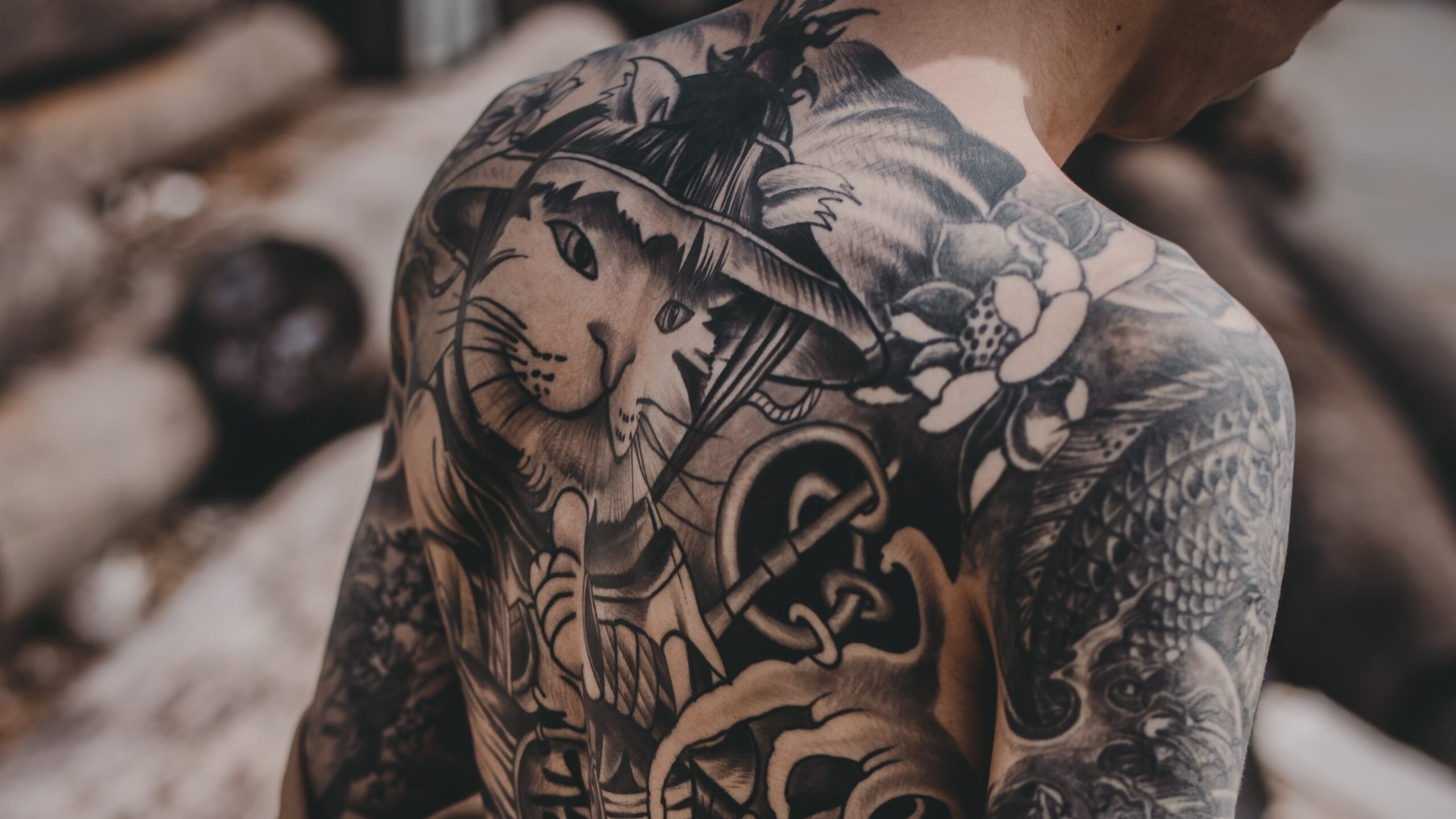
If you have tattoos and you are planning a trip to Japan, you may have heard the same warning again and again: “You can’t enter an onsen with tattoos.”
The truth is more nuanced.
Some traditional onsen still refuse guests with visible tattoos. Others allow small tattoos if they are covered. Some are fully tattoo-friendly. And if you want the safest, most relaxing option, you can book a private onsen bath or stay in a ryokan with a private open-air bath.
So no, having tattoos does not mean you have to skip the onsen experience in Japan. But it does mean you should plan carefully.
In this guide, I’ll explain why tattoos can be an issue in Japanese onsen, what your options are, and how to enjoy hot springs in Japan without stress or awkward surprises.
Affiliate disclosure: This article may contain affiliate links. If you book through these links, I may earn a small commission at no extra cost to you. This helps support the site and allows me to keep creating Japan travel guides.
Quick Answer: Can You Go to an Onsen in Japan With Tattoos?
Yes, you can visit an onsen in Japan if you have tattoos, but not everywhere.
Many onsen still have restrictions, especially traditional public baths and ryokan baths. However, tattoo-friendly options are becoming easier to find, especially in areas that welcome international travelers.
Your safest options are:
- choose a tattoo-friendly onsen;
- cover small tattoos with waterproof tattoo cover seals;
- book a private onsen, also called kashikiri buro;
- stay in a ryokan or hotel room with a private open-air bath;
- visit a tattoo-friendly onsen town such as Kinosaki Onsen or Beppu.
Best private onsen stays near Tokyo
If you have tattoos and want the safest option near Tokyo, consider booking a ryokan or hotel with a private onsen near Tokyo. This lets you enjoy the onsen experience without worrying about shared bath rules:
- Hakone Kowakien TEN-YU — private onsen ryokan near Tokyo
- Ajisai Onsen Ryokan — luxury ryokan with private onsen in Hakone
- YuYu Hakone — private open-air onsen in Hakone
Why Are Tattoos a Problem in Some Japanese Onsen?
The main reason is cultural and historical.
In Japan, tattoos have long had a complicated reputation. While tattoos are common and accepted in many countries today, in Japan they have often been associated with criminal groups, especially the Yakuza. Traditional full-body tattoos became one of the visual symbols connected with organized crime, and this created a strong negative association in public spaces.
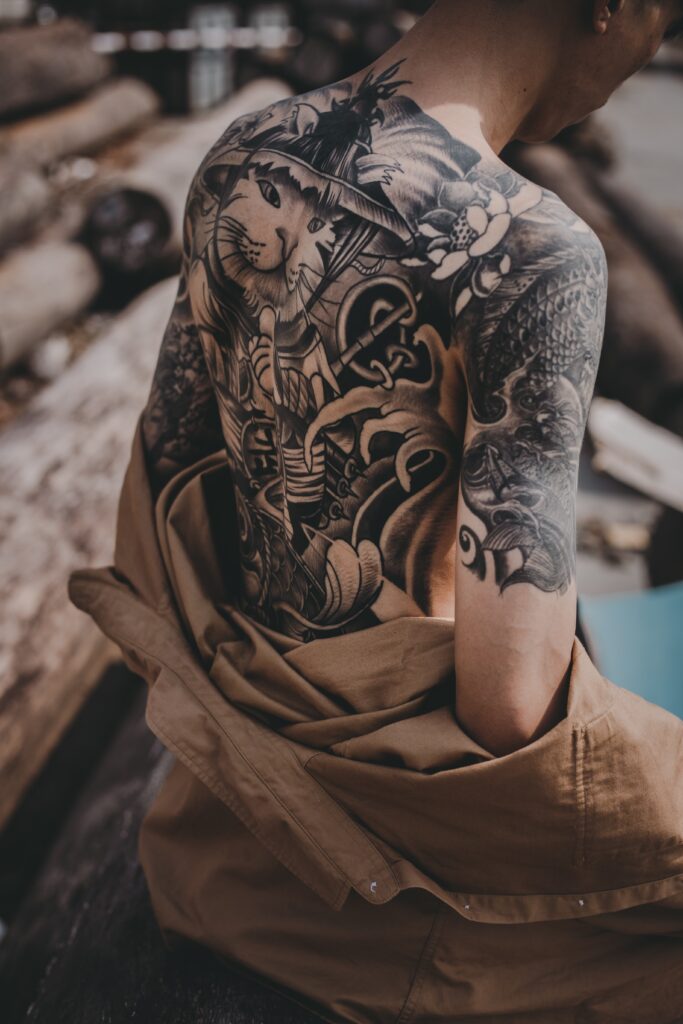
Onsen are meant to be peaceful, clean, relaxing places. People visit them to unwind, recover, and enjoy quiet time. For many years, banning tattoos was a way for facilities to discourage criminal groups from using the baths and to make other guests feel comfortable.
This does not mean that every tattooed person is judged as a criminal today. Japan is changing, and many younger people and tourism-focused businesses understand that foreign visitors often have tattoos for personal, artistic, or cultural reasons.
But the old association still affects the rules in many traditional facilities.
That is why you should never assume that a random onsen will accept visible tattoos. Always check before you go.
Read also // Japanese Onsen Etiquette for First-Time Visitors
Are Tattoos Completely Banned in Japanese Onsen?
No. Tattoos are not completely banned in Japan, and the rules vary from place to place.
Some onsen have a strict no-tattoo policy. Some allow tattoos only if they are covered. Some accept tattooed guests without any problem. Others offer private baths, where tattoos are usually not an issue because you are not sharing the bath with strangers.
Here is a simple way to understand your options:
| Type of onsen | Tattoo situation | Best for |
|---|---|---|
| Traditional public onsen | Often strict | Travelers without tattoos or with easily covered tattoos |
| Onsen allowing tattoo covers | Possible if tattoos are small | Small tattoos on arms, ankles, shoulders |
| Tattoo-friendly public onsen | Best public option | Travelers with visible tattoos |
| Private onsen / kashikiri bath | Safest option | Couples, families, nervous first-timers |
| Ryokan room with private bath | Most comfortable option | Honeymoons, luxury stays, special trips |
If you have large tattoos, full sleeves, back pieces, or tattoos that cannot be easily covered, I would not rely on tattoo patches alone. In that case, look for a tattoo-friendly facility or book a private bath.
Best Options If You Have Tattoos
1. Cover Small Tattoos With Waterproof Tattoo Patches
If your tattoo is small, some onsen may allow you to enter if you cover it with a waterproof skin-colored patch.
This can work well for small tattoos on the ankle, wrist, shoulder, or upper arm. It is not ideal for large tattoos, full sleeves, chest pieces, or back tattoos.
Before using a cover patch, check the onsen’s rules. Some places accept covered tattoos, while others do not allow tattoos even if they are hidden.
Useful travel item: waterproof tattoo cover seals for Japan onsen.
Important tip: buy them before your trip. You may find them in Japan, but it is easier to arrive prepared.
2. Book a Private Onsen
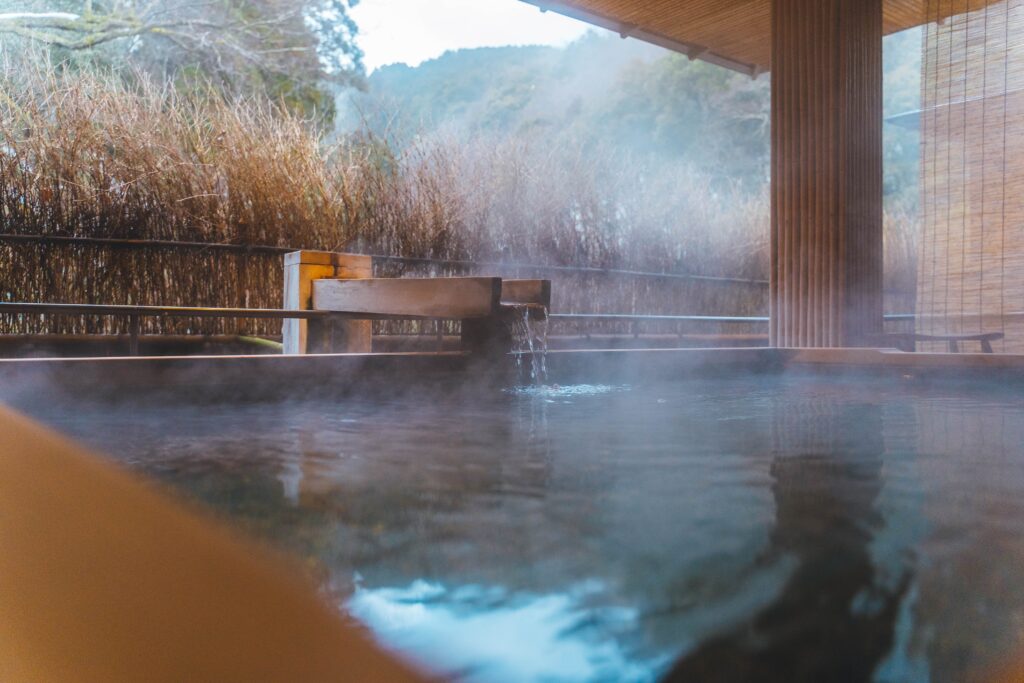
A private onsen is one of the best solutions if you have tattoos.
In Japanese, these private baths are often called kashikiri buro or kashikiri onsen. Instead of entering a shared public bath, you reserve a bath for private use. This can be for one person, a couple, a family, or a small group, depending on the facility.
Private onsen are ideal if:
- you have large tattoos;
- you feel nervous about public bath rules;
- you are traveling as a couple;
- you want a more intimate experience;
- you are visiting Japan for the first time and want zero stress.
Some private baths are inside ryokan. Others can be booked for a short time even if you are not staying overnight.
Best private onsen stays near Mount Fuji
For a more scenic experience, Kawaguchiko is one of the best areas to book a private onsen stay, especially if you want Mount Fuji views.
- Konansou — Mount Fuji hotel with private onsen bath
- Fuji Onsenji Yumedono — Mount Fuji hotel with private onsen bath
Also read // Best Ryokan Experiences in Japan for First-Time Travelers
3. Stay in a Ryokan With a Private Open-Air Bath
This is the most comfortable option, especially if your trip is special: honeymoon, anniversary, first Japan trip, or a relaxing break between busy cities.
Some ryokan offer rooms with a private bath attached. These rooms are usually more expensive, but they give you the full Japanese onsen experience without the uncertainty of shared bath policies.
A private open-air bath, called rotenburo, can be one of the most memorable experiences of a trip to Japan. Imagine soaking in hot mineral water while looking at mountains, forest, snow, or a quiet garden.
This option is especially good near:
- Hakone;
- Kawaguchiko / Fuji Five Lakes;
- Nikko;
- Kinosaki Onsen;
- Beppu;
- Yufuin;
- Kusatsu;
- Izu Peninsula.
Tattoo-Friendly Onsen Towns in Japan
If you want to enjoy the onsen culture without constantly checking every single facility, choose a destination that is known for being more tattoo-friendly.
Here are two excellent options.
Kinosaki Onsen: One of the Easiest Choices for Tattooed Travelers
Kinosaki Onsen is one of the best destinations in Japan if you have tattoos.
The town is famous for its seven public bathhouses, and the official Kinosaki tourism site states that all seven public hot springs allow tattoos of all sizes, with no need to cover them.
This makes Kinosaki one of the easiest and least stressful onsen towns for tattooed visitors.
It is also a beautiful traditional town. Visitors often walk around in yukata, moving from one bathhouse to another, crossing small bridges and atmospheric streets. It feels like the classic onsen town experience many travelers imagine before visiting Japan.
Kinosaki is especially convenient if you are traveling between Kyoto, Osaka, and the Sea of Japan side.
Best for:
- first-time onsen visitors with tattoos;
- couples;
- travelers coming from Kyoto or Osaka;
- people who want a traditional onsen town experience;
- travelers who do not want to worry about tattoo cover patches.
Best Kinosaki Onsen stay for tattooed travelers
Stay overnight in Kinosaki Onsen to enjoy the full bathhouse-hopping experience.
- Kinosaki Onsen Ichidaya – Kinosaki ryokan with private onsen (Book on Expedia)
Read also || How to Visit Kinosaki Onsen From Kyoto or Osaka”
Beppu: A Great Tattoo-Friendly Onsen Destination in Kyushu
Beppu, in Kyushu, is one of Japan’s most famous hot spring cities and another strong option for tattooed travelers.
The city has a huge onsen culture, many different types of hot spring baths, and a growing number of facilities that welcome guests with tattoos. The local tourism resources also provide tattoo-friendly onsen information, which makes planning easier.
Beppu is a great choice if you want a deeper hot spring experience beyond the standard Tokyo-Kyoto-Osaka route.
It is also perfect if you are planning a Kyushu itinerary that includes Fukuoka, Yufuin, Kumamoto, or Mount Aso.
Best for:
- travelers exploring Kyushu;
- repeat visitors to Japan;
- people who want many different onsen options;
- tattooed travelers looking for public and private bath choices;
- people interested in hot spring culture, steam baths, sand baths, and local food.
Private onsen stays in Kyushu
If your Japan itinerary includes Kyushu, Yufuin is a beautiful alternative to the classic Tokyo-Kyoto route, with several ryokan offering private bath options.
- Ryokan Reimei — Yufuin ryokan with private outdoor onsen
- Yufuin Onsen Oyado Hananoyu — Yufuin private stone bath ryokan
What About Sento? Are Tattoos Allowed?
A sento is a public bathhouse, but unlike an onsen, the water is usually heated tap water rather than natural hot spring water.
Sento are often more local, more affordable, and easier to find in cities. They can be a good alternative if you want to experience Japanese bathing culture but are not visiting a hot spring area.
Tattoo rules in sento are often more relaxed than in traditional onsen, but you should still check in advance. Some sento welcome tattooed guests, while others may still have restrictions.
If you are in Tokyo, Kyoto, Osaka, or another large city, a sento can be a simple and affordable way to try Japanese bathing culture without booking a full ryokan stay.
Also read // Best Sento and Public Baths in Tokyo for Travelers
Onsen Etiquette: What You Need to Know Before You Go
Tattoo rules are only one part of the onsen experience. You should also follow basic onsen etiquette.
Here are the essential rules:
- wash and rinse your body before entering the bath;
- do not wear a swimsuit in traditional onsen;
- keep your towel out of the bath water;
- tie up long hair;
- do not swim, splash, or make noise;
- do not take photos in the bathing area;
- do not enter if you feel dizzy, sick, or have been drinking too much alcohol;
- respect the facility’s tattoo policy, even if you disagree with it.
The most important mindset is simple: onsen are shared relaxation spaces. Quietness, cleanliness, and respect matter.
If a facility says no tattoos, do not try to sneak in. Choose another place instead. There are enough tattoo-friendly options in Japan today that you do not need to create an uncomfortable situation.
How to Check If an Onsen Allows Tattoos
Before visiting, check the official website of the onsen or ryokan. Look for phrases such as:
- tattoo-friendly;
- tattoos allowed;
- tattoos accepted if covered;
- private bath available;
- kashikiri bath available;
- private open-air bath;
- no tattoos allowed.
If the website is unclear, send a short message before booking.
If you are booking through a hotel platform, check guest reviews too. Travelers often mention whether a place was tattoo-friendly or not.
Best Choice Depending on Your Tattoo Size
If you have one small tattoo
You may be fine with a waterproof cover patch, but check the facility’s rules first.
If you have several visible tattoos
Choose a tattoo-friendly onsen or a private bath. Do not rely only on cover patches.
If you have full sleeves or large tattoos
Book a private onsen, a ryokan room with a private bath, or visit a clearly tattoo-friendly destination such as Kinosaki Onsen or Beppu.
If you are traveling as a couple
A private bath or ryokan room with private onsen is usually the best experience.
If you are nervous about making a mistake
Do not choose a random public onsen. Book a private bath or choose an officially tattoo-friendly facility.
FAQ: Visiting Onsen in Japan With Tattoos
Yes, but it depends on the facility. Some onsen accept tattooed foreign visitors, some allow tattoos only if covered, and others still refuse all visible tattoos.
Sometimes. Small tattoos can often be covered with waterproof tattoo seals, but not every onsen accepts covered tattoos. Always check the rules first.
The safest option is a private onsen or a ryokan room with a private bath. This avoids most public bath tattoo issues.
They can be more expensive than public baths, but prices vary. Some ryokan offer private baths as part of the stay, while others let you reserve them for a short time.
Yes. Kinosaki Onsen is one of the easiest choices for tattooed travelers because its seven public bathhouses are officially tattoo-friendly.
Yes. Beppu is one of the best hot spring destinations in Japan and has many tattoo-friendly options, including public and private baths.
Usually no. Traditional onsen are entered naked, and swimsuits are not allowed unless the facility specifically says otherwise.
Yes. If you have tattoos and the policy is not clear, always contact the ryokan, hotel, or onsen before booking.
Final Thoughts: You Can Enjoy Onsen in Japan With Tattoos
Having tattoos does not mean you have to miss out on one of Japan’s most beautiful cultural experiences.
You simply need to choose the right type of onsen.
If your tattoo is small, a cover patch may be enough. If your tattoos are larger, choose a tattoo-friendly facility, book a private bath, or stay in a ryokan with a private onsen. If you want the least stressful option, destinations like Kinosaki Onsen and Beppu are excellent places to start.
The most important thing is to plan ahead.
Respect the rules, check the policy, and choose a place where you can relax fully. An onsen should not be a source of anxiety. It should be one of the most peaceful memories of your trip to Japan.
Not sure which onsen or ryokan fits your itinerary? I can help you design a realistic Japan itinerary with tattoo-friendly bath options, private onsen stays, and smooth travel routes between cities.
Recommended next reads:
- Japan Onsen Etiquette for First-Time Visitors
- How to get internet in Japan
- How to Plan a First Trip to Japan
- Where to Stay in Tokyo: Areas Explained
JAPAN TRAVEL COMPANION
Planning the rest of your Japan trip?
Add your travel dates and destinations to see what needs booking, when tickets open and what to plan next.