

Mt. Fuji Day Trip from Tokyo: Tours & 1-Day Itinerary
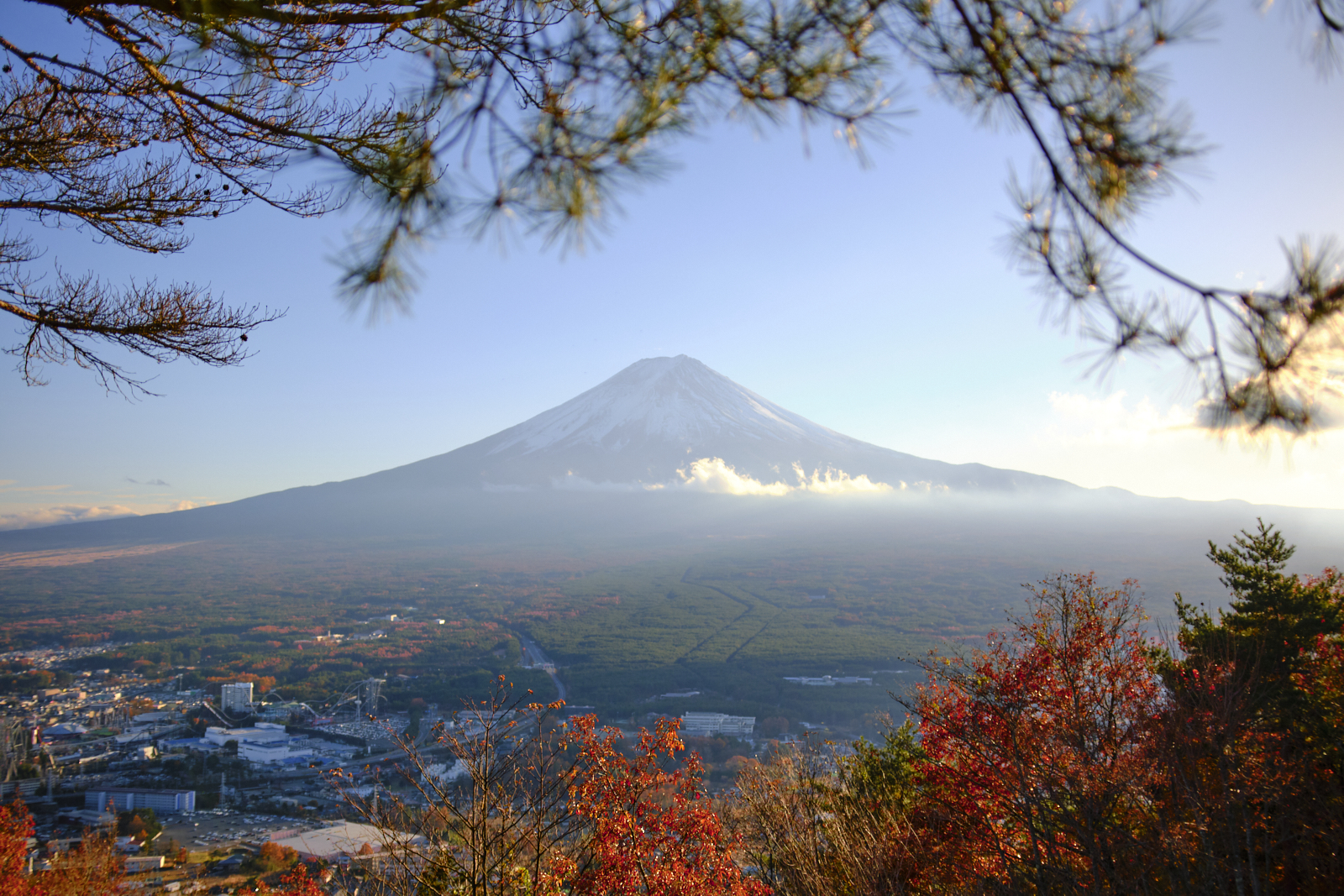
Can you visit Mt. Fuji from Tokyo in one day? Yes—but the key is understanding that Mount Fuji is not a single attraction.
You could visit Lake Kawaguchiko, see the Chureito Pagoda, travel to the Fuji Subaru Line 5th Station, explore Hakone or even attempt to climb the mountain. These are very different experiences, and trying to combine all of them in one day usually results in a rushed and frustrating trip.
For most first-time visitors, Lake Kawaguchiko is the best choice. It is the easiest of the Fuji Five Lakes to reach from Tokyo and offers some of the most recognizable views of Mount Fuji.
Mt. Fuji day trip at a glance
Best destination for first-time visitors: Lake Kawaguchiko
Easiest option: Guided day tour from Tokyo
Most comfortable public transport: Fuji Excursion train
Cheapest direct option: Highway bus from Shinjuku
Best time for clear views: Early morning, particularly during winter
Recommended departure: Before 8:00 a.m.
Best choice for photographers: Stay one night in Kawaguchiko
Mount Fuji can disappear completely behind clouds even when the weather in Tokyo looks pleasant. Early morning normally offers better visibility, while crisp winter days provide the most reliable conditions. The mountain is frequently hidden during the rainy season from early June to mid-July.
This article contains affiliate links. If you book through one of these links, I may receive a small commission at no additional cost to you.
Should you book a tour or visit independently?
Both options work, but they are suited to different travelers.
Choose an organized tour if:
- you want to visit several viewpoints without studying local transport;
- you are traveling with children or older family members;
- you want to combine Kawaguchiko with Oshino Hakkai or Hakone;
- you have only one possible day available;
- you prefer having a guide and return transportation arranged.
The main disadvantage is the fixed schedule. You may also spend time waiting for the group or sitting in traffic.
The easiest option for most first-time visitors
A guided Mount Fuji and Lake Kawaguchiko tour removes the difficulty of coordinating trains and local buses. Look for an itinerary that includes two or three meaningful stops—such as Chureito Pagoda, Lake Kawaguchiko and Oishi Park—rather than one that tries to cover every attraction around Mount Fuji.
Travel independently if:
- you prefer controlling your schedule;
- you are comfortable using Japanese trains and buses;
- you only want to visit two or three places;
- you may change the date according to the weather forecast;
- you want more time for photography.
Independent travel is straightforward if you keep the itinerary realistic. The mistake is trying to visit Chureito Pagoda, Oishi Park, Oshino Hakkai, the 5th Station and Hakone in the same day.
Kawaguchiko, Hakone or the 5th Station?
Before booking transport, decide which Mount Fuji experience you actually want.
Lake Kawaguchiko: best for classic Mount Fuji views
Kawaguchiko is the best option if your priority is seeing and photographing the mountain.
The area includes:
- Lake Kawaguchiko;
- Oishi Park;
- the Mt. Fuji Panoramic Ropeway;
- Chureito Pagoda and Arakurayama Sengen Park;
- museums, cafés and hot springs.
Kawaguchiko is directly connected with Tokyo by highway bus and the Fuji Excursion limited express train.
Hakone: best for a varied sightseeing day
Hakone is a better choice if you want hot springs, volcanic scenery, Lake Ashi, museums and ropeways.
You may see Mount Fuji from Hakone, particularly around Lake Ashi, but the mountain is more distant and visibility is never guaranteed. Choose Hakone for the overall experience rather than exclusively for Mount Fuji views.
Read my complete Hakone day-trip itinerary before deciding between the two areas.
Fuji Subaru Line 5th Station: best for getting close to the mountain
The 5th Station is located high on the mountain and is the main starting point for the Yoshida climbing route.
It does not provide the same postcard composition of Mount Fuji that you get from Kawaguchiko—you are already standing on the mountain. Access is also seasonal and may be affected by weather or road restrictions.
For a first visit, I would normally choose Kawaguchiko unless reaching the 5th Station is a personal priority.
Best Mt. Fuji tours from Tokyo
Best overall: Mt. Fuji and Lake Kawaguchiko tour
Choose this option if you mainly want classic views of Mount Fuji.
A good itinerary should include some combination of:
- Chureito Pagoda;
- Lake Kawaguchiko;
- Oishi Park;
- Oshino Hakkai;
- Saiko Iyashi no Sato.
Check Mt. Fuji and Lake Kawaguchiko tours
Best for variety: Mt. Fuji and Hakone tour
This is suitable for travelers who want more than viewpoints. Typical itineraries combine the Mount Fuji area with Lake Ashi, Owakudani or a Hakone ropeway.
The compromise is that you will spend more time traveling and less time at each stop.
Compare Mt. Fuji and Hakone day tours
Best for families or small groups: private customizable tour
A private tour costs more, but it allows you to change the pace, select specific viewpoints and avoid waiting for a large group.
It can be particularly valuable for families, photographers or travelers with limited mobility.
View private Mt. Fuji tours from Tokyo
How to get from Tokyo to Kawaguchiko
Highway bus from Shinjuku
Direct highway buses leave from Shinjuku Expressway Bus Terminal and arrive at Kawaguchiko Station.
The journey normally takes around 1 hour 45 minutes to 2 hours, although traffic can significantly increase the travel time. The current one-way fare is approximately ¥2,200.
Advantages
- cheapest direct option;
- no transfers;
- frequent departures;
- easy to book.
Disadvantages
- traffic delays;
- popular departures can sell out;
- less comfortable than the train for some travelers.
Reserve both the outbound and return journeys in advance, particularly on weekends, national holidays and during cherry blossom or autumn foliage seasons.
Reserve Now // Book your tickets now on Klook
Fuji Excursion train from Shinjuku
The Fuji Excursion is the easiest rail option because it travels directly from Shinjuku to Shimoyoshida, Mt. Fuji Station, Fuji-Q Highland and Kawaguchiko.
The journey takes just under two hours and the current one-way fare from Shinjuku to Kawaguchiko is ¥4,200. Seats should be reserved in advance.
This is my preferred option if you want to visit Chureito Pagoda first, because you can leave the train at Shimoyoshida before continuing to Kawaguchiko.
The Fuji Excursion can sell out. When it is unavailable, use a JR Chuo Line train to Otsuki and change to the Fujikyu Railway.
Train via Otsuki
Take the JR Chuo Line from Shinjuku to Otsuki and change to the Fujikyu Railway for Shimoyoshida or Kawaguchiko.
This usually takes a little over two hours, depending on the connection.
The Japan Rail Pass does not cover the entire journey. It may cover the eligible JR section to Otsuki, but the private Fujikyu Railway section requires a separate ticket.
Realistic Mt. Fuji day-trip itinerary by train
This itinerary prioritizes Chureito Pagoda and Lake Kawaguchiko without trying to see every attraction in the region.
Early morning: Tokyo to Shimoyoshida
Take one of the earliest convenient trains from Shinjuku and get off at Shimoyoshida Station.
From the station, walk to Arakurayama Sengen Park and climb to the Chureito Pagoda viewpoint. The walk from Shimoyoshida Station takes approximately 20 minutes, followed by the climb to the observation area.
Allow around 60–90 minutes, including the walk, climb and photography.
During cherry blossom season, the viewpoint can become extremely crowded and waiting times may reach several hours. Arrive as early as possible and be prepared to skip it if your schedule is tight.
Late morning: travel to Kawaguchiko
Return to Shimoyoshida Station and take the Fujikyu Railway to Kawaguchiko.
Have an early lunch near the station or lakeside. Local specialties include hoto noodles, a hearty Yamanashi dish made with thick noodles and vegetables.
Early afternoon: lakeside or panoramic ropeway
From Kawaguchiko Station, walk approximately 15–20 minutes to the Mt. Fuji Panoramic Ropeway.
The observation area provides views over Lake Kawaguchiko and Mount Fuji when the weather is clear.
Queues can be long. If the waiting time is more than 40–45 minutes, consider skipping the ropeway and spending more time around the lake.
Mid-afternoon: Oishi Park
Take the Red Line sightseeing bus to Oishi Park on the northern shore of Lake Kawaguchiko.
Oishi Park is one of the easiest places to photograph Mount Fuji with the lake and seasonal flowers in the foreground. More than 90 varieties of flowers bloom at different points of the year.
Allow approximately one hour before returning to Kawaguchiko Station.
Late afternoon: return to Tokyo
Book a return train or highway bus in advance.
Aim to leave Kawaguchiko between approximately 4:00 p.m. and 5:30 p.m. A later departure gives you more flexibility but brings you back to Tokyo well into the evening.
Simpler itinerary using the highway bus
Travelers who do not want to change trains can use this easier version:
- Take an early bus from Shinjuku to Kawaguchiko Station.
- Walk to the lakeside and panoramic ropeway.
- Have lunch near Lake Kawaguchiko.
- Take the Red Line bus to Oishi Park.
- Return to Kawaguchiko Station.
- Take the reserved bus back to Tokyo.
This version skips Chureito Pagoda but is more relaxed and less vulnerable to missed train connections.
What should you do if Mount Fuji is cloudy?
Mount Fuji is never guaranteed.
Check the weather forecast and my Mt. Fuji live camera before leaving Tokyo. If your schedule is flexible, move the trip to the clearest available morning.
When the mountain is hidden, you can still visit:
- the Itchiku Kubota Art Museum;
- Kawaguchiko Music Forest Museum;
- Saiko Iyashi no Sato;
- a local onsen;
- cafés and museums around the lake.
However, if seeing Mount Fuji is your only reason for visiting and the forecast shows heavy cloud or rain all day, consider postponing the excursion.
Best time of year for a Mt. Fuji day trip
Winter: best visibility
December to February normally offers the clearest air and the highest chance of an unobstructed view.
The disadvantages are low temperatures, icy paths and shorter daylight hours.
Spring: cherry blossoms and large crowds
Spring creates the famous combination of Mount Fuji, cherry blossoms and Chureito Pagoda.
It is also one of the busiest periods. Transport and accommodation should be reserved well in advance.
Summer: green landscapes but less reliable visibility
Summer offers green scenery and access to the official climbing routes, but humidity and clouds frequently obscure the mountain.
Mount Fuji may also have little or no visible snow, producing a very different appearance from the classic winter image.
Autumn: foliage and generally good conditions
Late October and November combine colorful foliage with improving visibility.
The Momiji Corridor and areas around Lake Kawaguchiko become particularly popular during this period.
Seeing Mount Fuji is not the same as climbing it
A sightseeing day trip to Kawaguchiko should not be confused with climbing Mount Fuji.
Climbing requires appropriate equipment, physical preparation and a dedicated itinerary. Many travelers stay in a mountain hut rather than attempting a rushed ascent and descent.
For 2026, the Yoshida Trail season is scheduled from July 1 to September 10. A ¥4,000 climbing fee and access restrictions apply. Always verify the latest conditions on the official Mount Fuji climbing website.
Read my complete Mount Fuji climbing-season guide if you are planning an ascent.
Should you stay overnight in Kawaguchiko?
A day trip is possible, but staying overnight dramatically improves the experience if:
- Mount Fuji photography is important to you;
- you want to see the mountain at sunrise;
- you prefer a slower itinerary;
- you want to experience an onsen;
- you are traveling as a couple;
- you want a second opportunity if the mountain is cloudy.
The northern shore generally offers better direct views, while the area near Kawaguchiko Station is more convenient for transport.
Budget-friendly and convenient: Toyoko Inn Fuji Kawaguchiko Ohashi
A practical choice with a shuttle connection from Kawaguchiko Station. It works well for travelers prioritizing convenience and price over a traditional ryokan experience.
Best for an onsen stay: Lakeland Hotel Mizunosato
Located beside Lake Kawaguchiko, this property offers hot-spring baths and views towards the lake or Mount Fuji, depending on the room.
Best resort atmosphere: Fuji View Hotel
Fuji View Hotel has extensive gardens, hot-spring facilities and rooms facing Mount Fuji. It is farther from the station but better suited to a relaxing stay.
Give yourself two chances to see Mount Fuji
Staying overnight allows you to check the mountain again at sunset and early the following morning, when visibility is often better.
Frequently asked questions
Can you visit Mt. Fuji from Tokyo in one day?
Yes. Kawaguchiko can be reached from Shinjuku in approximately two hours by direct train or highway bus. Leave early and limit your itinerary to two or three main attractions.
Is Kawaguchiko or Hakone better for Mount Fuji views?
Kawaguchiko generally provides closer and more direct views. Hakone offers a greater variety of attractions but less reliable views of the mountain.
Is the Fuji Excursion covered by the Japan Rail Pass?
The entire journey is not covered because part of the route uses the private Fujikyu Railway. Additional tickets or fees are required beyond the eligible JR section.
Is a Mt. Fuji tour from Tokyo worth it?
A tour is worthwhile if you want to see several locations, are traveling with family or do not want to coordinate local transport. Independent travel is better when flexibility and photography time are more important.
Can I visit Chureito Pagoda and Kawaguchiko in one day?
Yes. Take the Fuji Excursion or Fujikyu Railway to Shimoyoshida, visit the pagoda in the morning and continue to Kawaguchiko afterward.
Can I climb Mount Fuji during a Tokyo day trip?
It is technically possible for experienced and properly prepared hikers during the official season, but it should not be treated as a standard sightseeing excursion. A separate climbing plan is strongly recommended.
Need help fitting Mt. Fuji into your Japan itinerary?
Mount Fuji is one of the places where weather, transport and the order of your stops can completely change the experience.
My personalized Japan travel-planning service creates a realistic day-by-day itinerary based on your dates, interests, preferred pace and accommodation. You travel independently, but with transportation, timing and reservations organized before departure.
Discover my Custom Japan Travel Planning service
Final thoughts
A Mt. Fuji day trip from Tokyo is absolutely worthwhile when planned around realistic expectations.
Choose Kawaguchiko for the strongest views, leave Tokyo early, check the weather and avoid trying to visit every famous location in a single day.
For the easiest experience, book a well-designed guided tour. For greater freedom, use the Fuji Excursion train and combine Chureito Pagoda with one or two locations around Lake Kawaguchiko.
And remember: even the perfect itinerary cannot control the clouds. Keeping your schedule flexible is the best way to improve your chances of seeing Japan’s most iconic mountain.
Also read
Japan travel apps you should download
Mount Fuji climbing-season guide
JAPAN TRAVEL COMPANION
Planning the rest of your Japan trip?
Add your travel dates and destinations to see what needs booking, when tickets open and what to plan next.



Hi, Please provide me with a quote with the following:
3/16/2026
Pick up at 9 am from Hotel Villa Fontaine Grand Tokyo – Shiodeome, Tokyo
(half day mt fuji tour)
Drop off around 3 pm at Wakakusa no Yado Maruei
498 Kodachi, Fujikawaguchiko, Minamitsuru District, Yamanashi 401-0302, Japan
Thank you,
Emily
Hello Emily,
unfortunately I do not provide personal pick up services.
I recommend you to check a personal driver/pick up service like this.
Let me know if you need further help!
Thanks for commenting