
Tanabata Matsuri: Japanese Summer Star Festival
Tanabata, also known as the “Star Festival”, is a Japanese celebration that takes place on the seventh day of the seventh month. According to Japanese folklore, this is the only day of the year when the two stars, Altair and Vega, can meet.
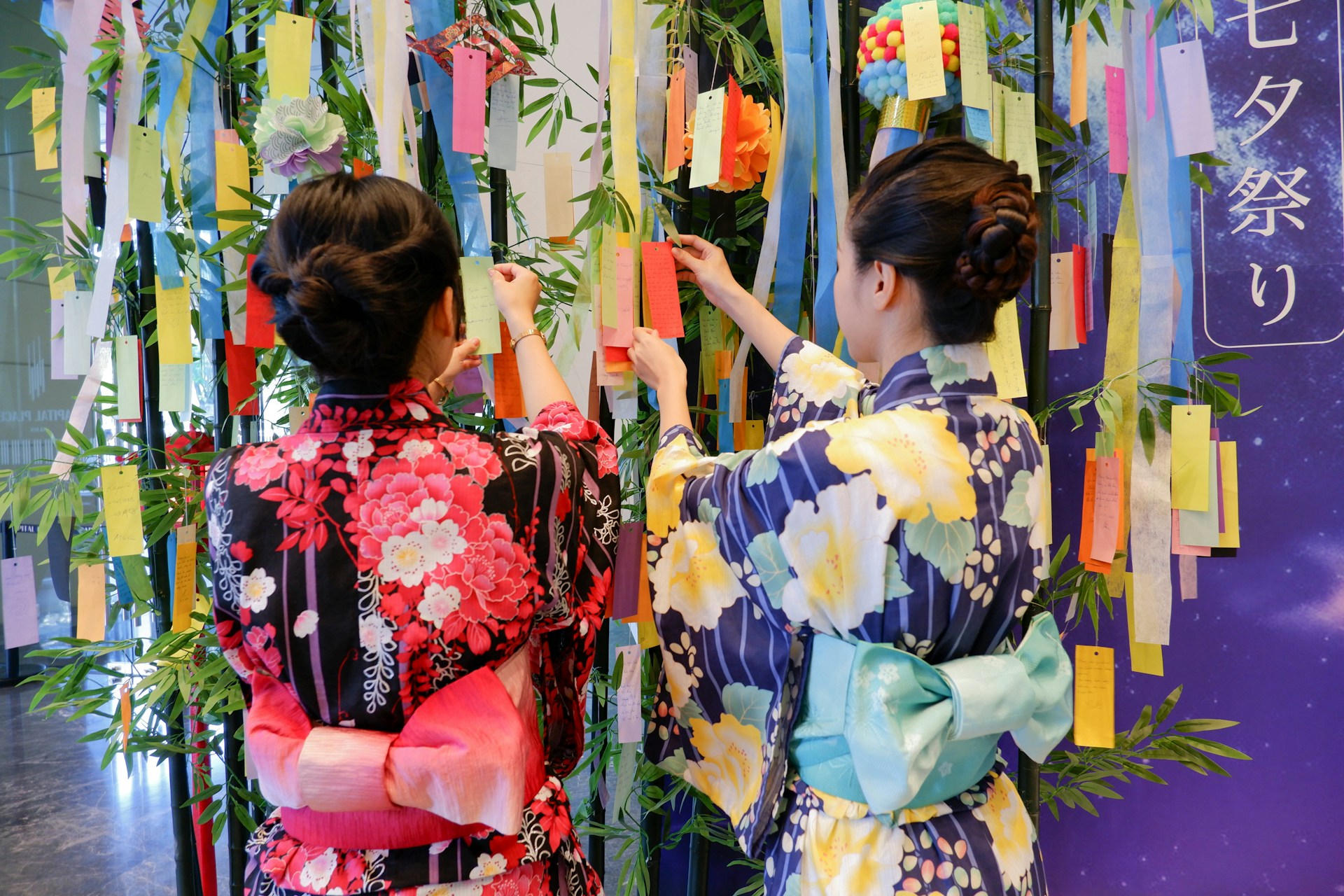
During this time of year, it is a tradition to write wishes for Tanabata (known as tanzaku) on strips of colored paper and hang them on Tanabata trees made with bamboo branches. People also decorate their homes and public spaces.
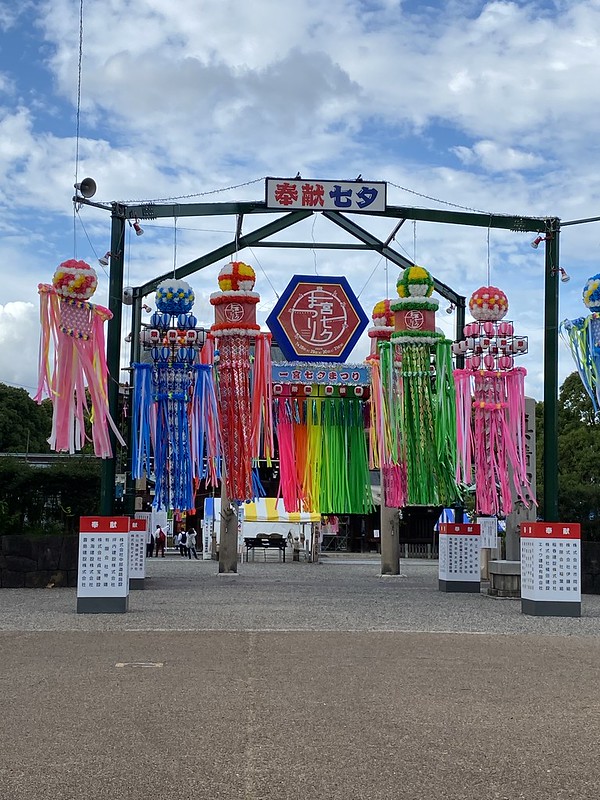
This matsuri is one of the five traditional Japanese festivals known as ‘gosekku‘ and is an interesting time to visit the country. However, the Tanabata dates vary from region to region.
According to the previously used lunar calendar, the seventh month is August instead of July. In places like Sendai, it is celebrated on August 7th, even though the official date is July 7th.
What is the Tanabata festival
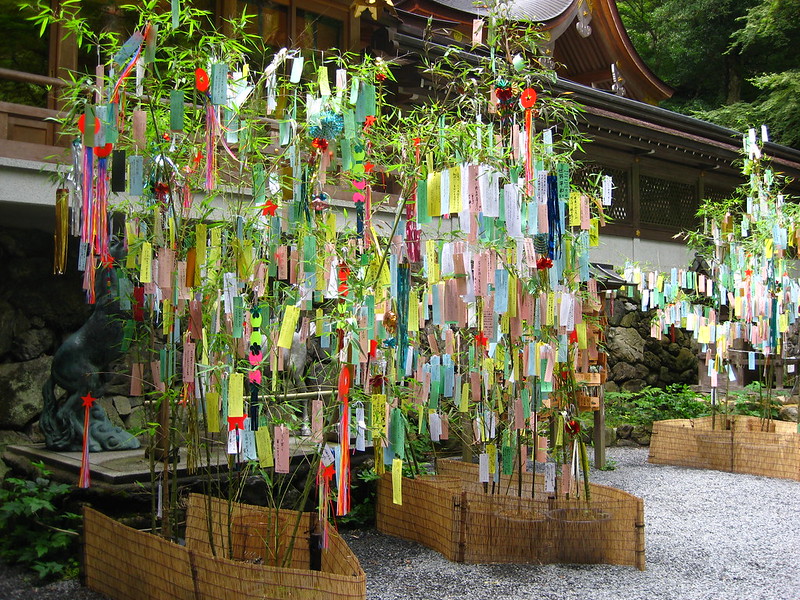
Huge festivals dedicated to Tanabata are held all across Japan. The most famous one is the Sendai Tanabata Festival. Traveling to Sendai is easy using the Japan Rail Pass, taking about two and a half hours from the capital. The Tokyo Tanabata Festival is also a grand event.
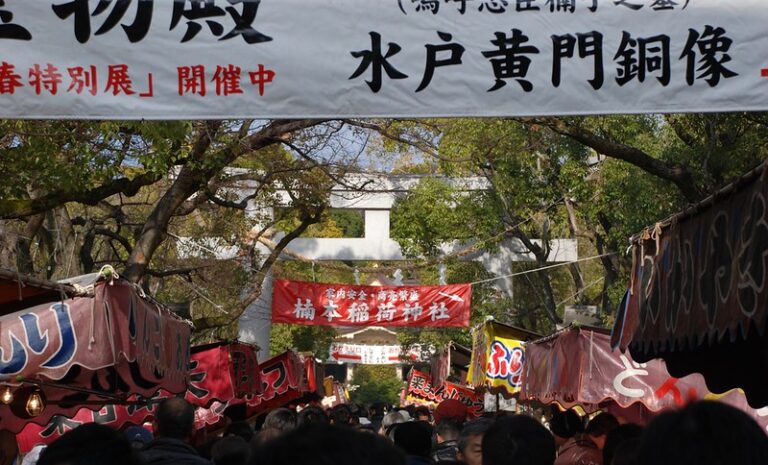
The style of the festivals varies from place to place, though most of them feature Tanabata decoration competitions, parades, and a series of festive activities. The atmosphere is fantastic, and the streets are lined with food stalls.
Wishes for Tanabata are expressed on the first day of the festival. The next day, the decorated Tanabata trees are floated down a river, into the ocean, or burned as an offering.
The tradition dates back to the early 17th century, though its popularity declined after the Meiji Restoration (1868) and nearly vanished during the economic depression following World War I. However, after World War II, the festivals have become an important date on the Japanese calendar again.
The history of Tanabata
The Tanabata tradition is based on the romantic story of two lovers, Vega and Altair. They can only meet once a year, and only if the skies are clear.
The story actually originates from the Chinese legend of Qixi, which was brought to Japan in the 8th century. The story is of two lovers: the beautiful seamstress princess Orihime, and Hikoboshi, a cowherd. They lived on opposite sides of the celestial river (represented by the Milky Way).
Orihime’s father (the Sky God) became angry because they both neglected their duties due to their mutual devotion and forbade them from seeing each other. However, Orihime pleaded with him, and as a concession, he allowed them to meet once a year.
Tanabata festival food

Japanese food has a world-class reputation, and the food during Tanabata will not disappoint. Some of the most important foods include:
- Takoyaki: Fried dough balls with small pieces of octopus inside. The dish is so popular in Japan that there are fast-food chains dedicated to it.
- Yakisoba: Yakisoba is made with fried noodles mixed with pork and cabbage. It is garnished with yakisoba sauce and mayonnaise.
- Okonomiyaki: A savory pancake-like dish made with batter and a variety of different ingredients. The name translates to “grilled as you like it” for the number of variations.
- Yakitori: Grilled chicken skewers served with spring onions and yakitori sauce.
Japan is renowned for its rich cultural heritage and long-standing traditions. The country hosts an abundance of vibrant festivals, known as matsuri, particularly during the summer months. Attending a matsuri is an experience I would highly recommend to visitors. These lively festivals showcase the incredible diversity and unique character of Japanese culture.
From colorful parades and captivating performances to delectable street food and lively crowds, matsuri offer an immersive glimpse into the spirited customs of Japan. The annual calendar is filled with hundreds of these festivals, each with its own distinct traditions and celebrations.
I would encourage you to review my comprehensive calendar of Japanese matsuri and plan your trip to coincide with one or more of these captivating events. Experiencing the energy, pageantry and community spirit of a matsuri firsthand is sure to be an unforgettable highlight of your journey through Japan.
JAPAN TRAVEL COMPANION
Planning the rest of your Japan trip?
Add your travel dates and destinations to see what needs booking, when tickets open and what to plan next.